Wakatū Incorporation
Developing a regional strategy with the people of Te Tauihu.
- Client
- Wakatū Incorporation
- Online
- tetauihu.nz
O’D&Co worked alongside Wakatū Incorporation to develop the Te Tauihu Intergenerational Strategy, leading community engagement, stakeholder management, communications, brand identity, and strategy design and development.
The project
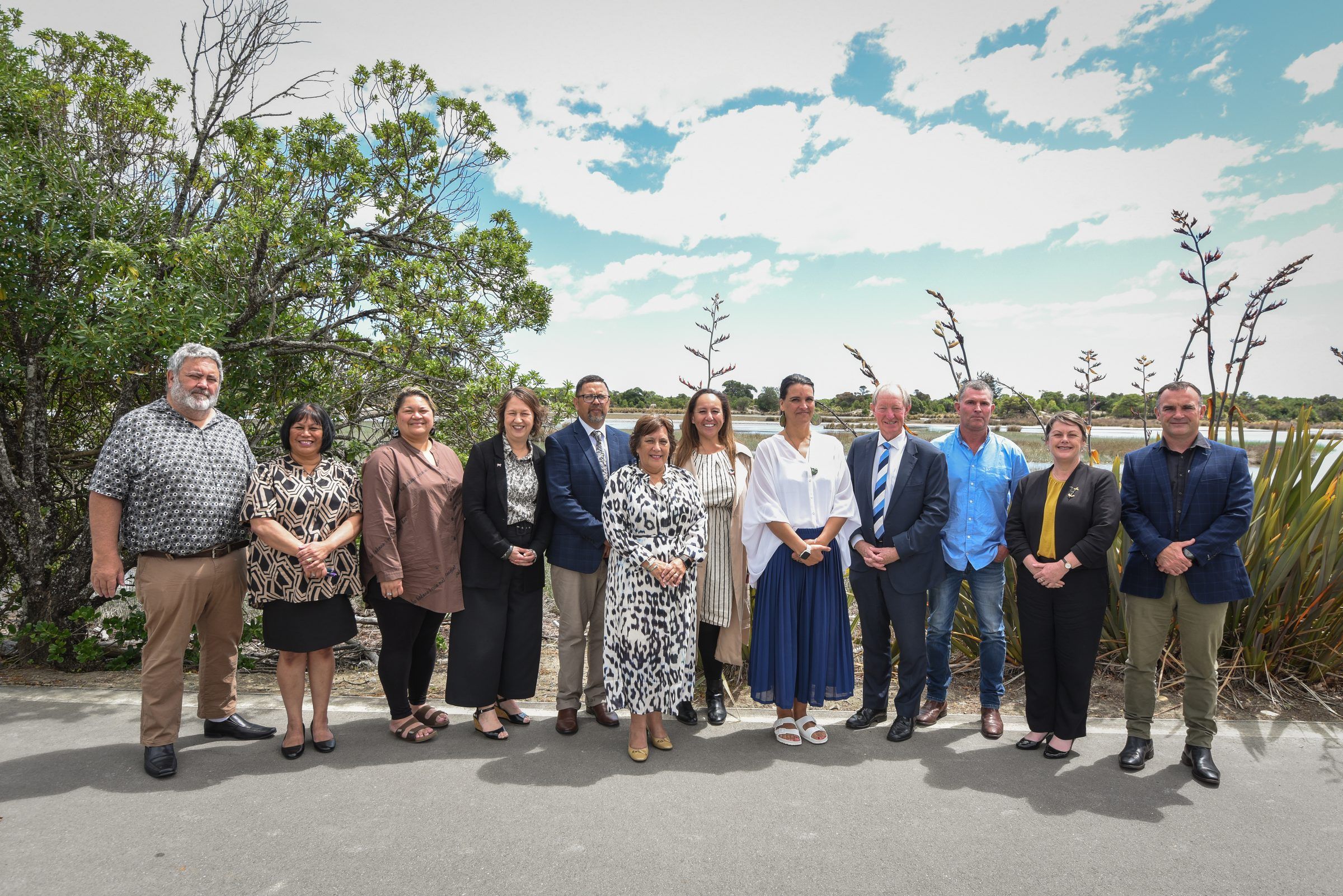
Convened by Wakatū Incorporation, the strategy brought together the eight iwi of Te Tauihu, three councils and partners across business, education, government and the community.
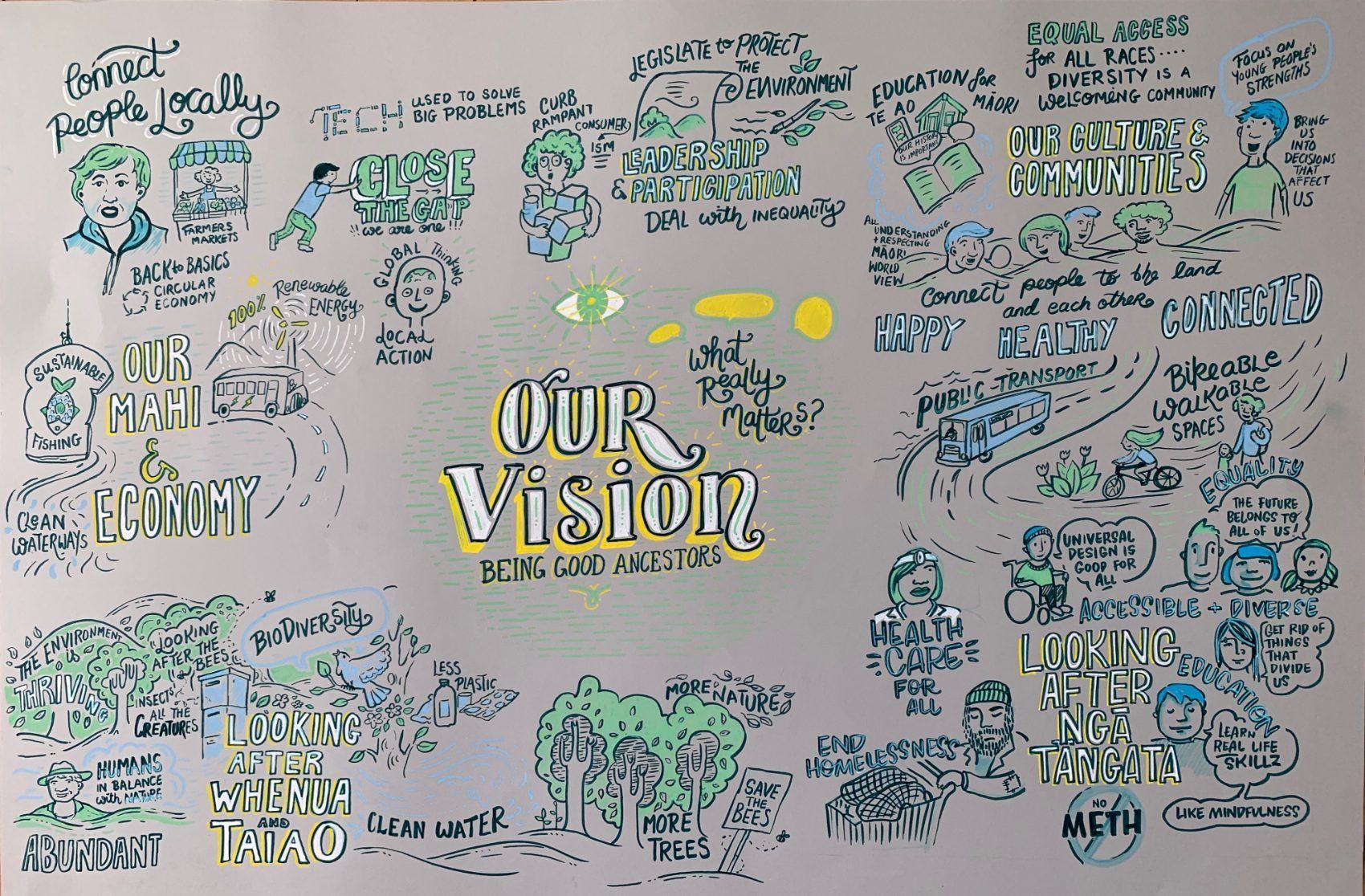
The ambition was to establish a shared vision for the wellbeing of Nelson, Tasman and Marlborough over generations. This required a wide-reaching conversation about what people valued, what needed to change and what responsibilities today’s decisions carried for the future.
The process needed to make participation accessible and bring the many contributions into a coherent regional direction.
Our role
- Community engagement leadership
- Stakeholder management
- Communications
- Brand identity
- Event delivery
- Strategy design and development
- Implementation and rollout support
We led the community engagement programme and managed stakeholder relationships throughout the work.
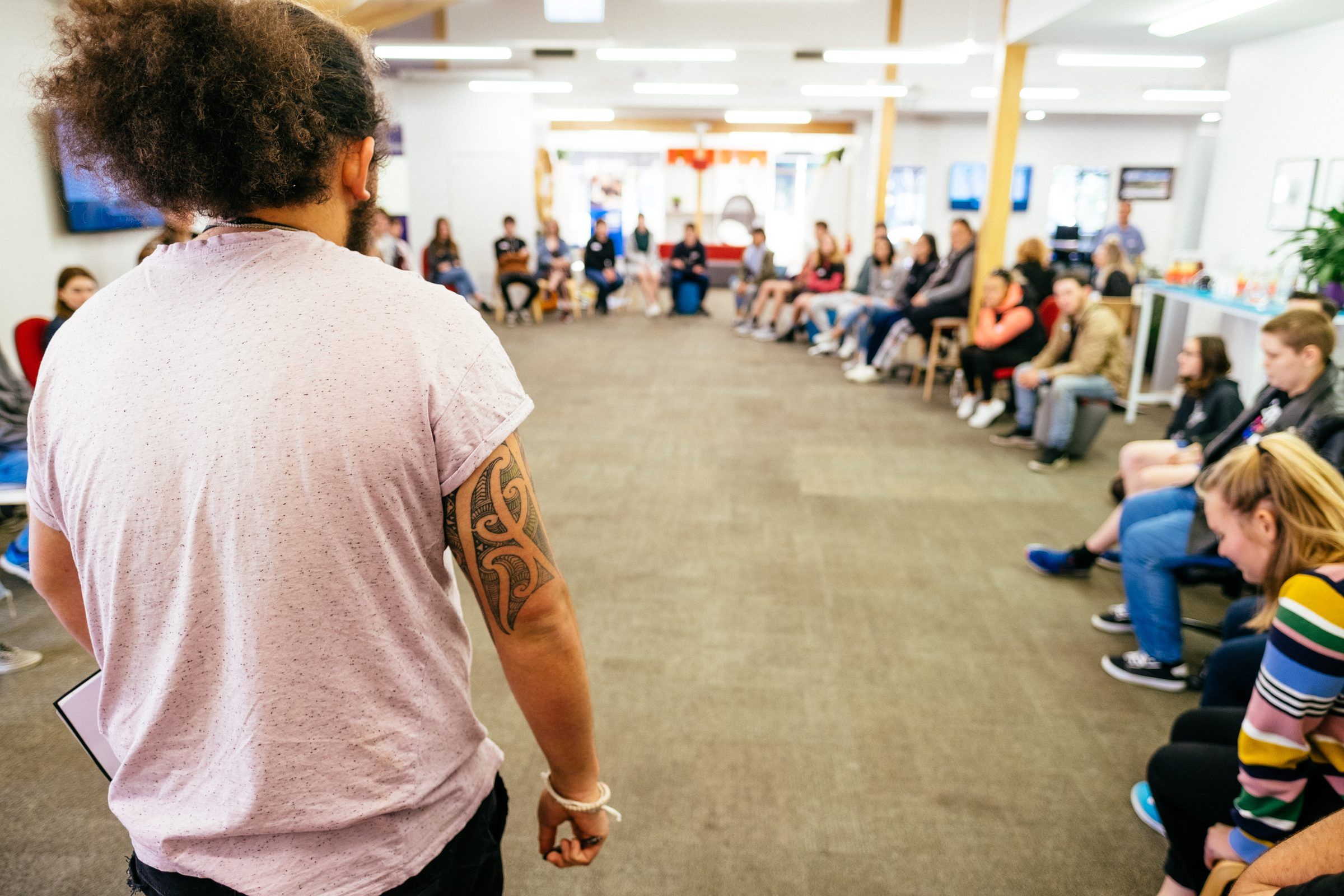
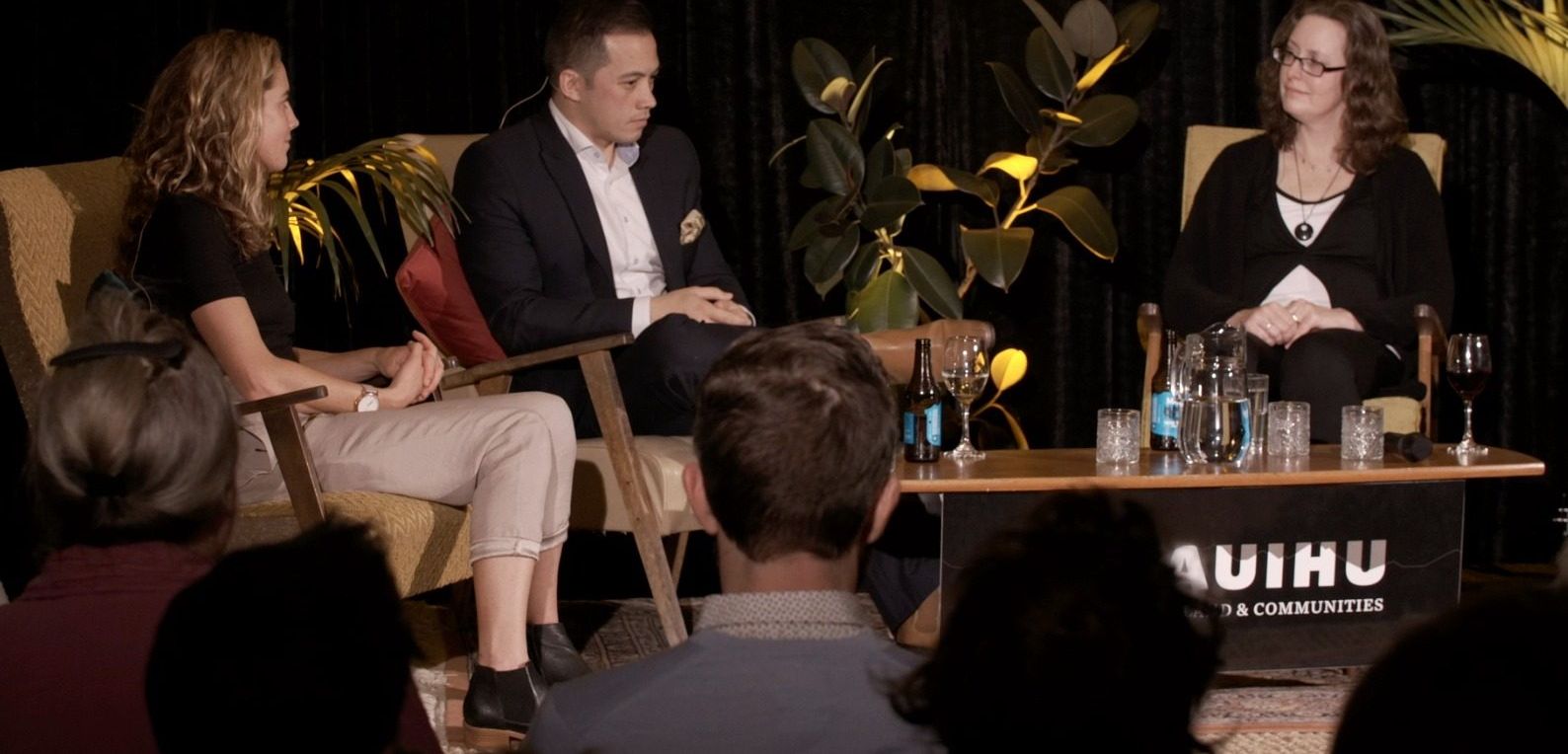
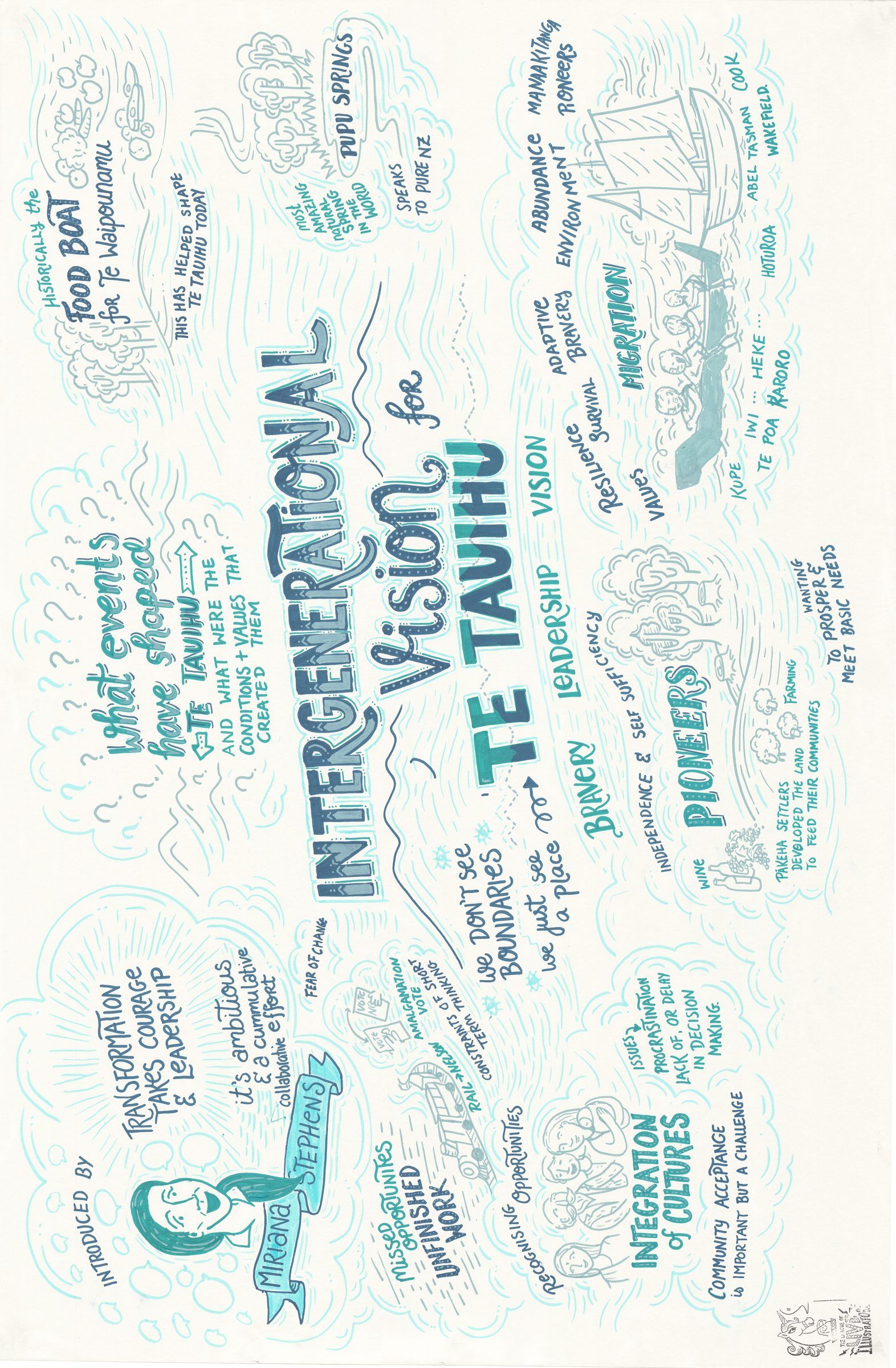
Our approach included community events, Te Tauihu Talks, youth engagement and digital participation, supported by a distinctive brand identity and ongoing communications. These created different ways for people to contribute and helped keep the regional conversation visible.
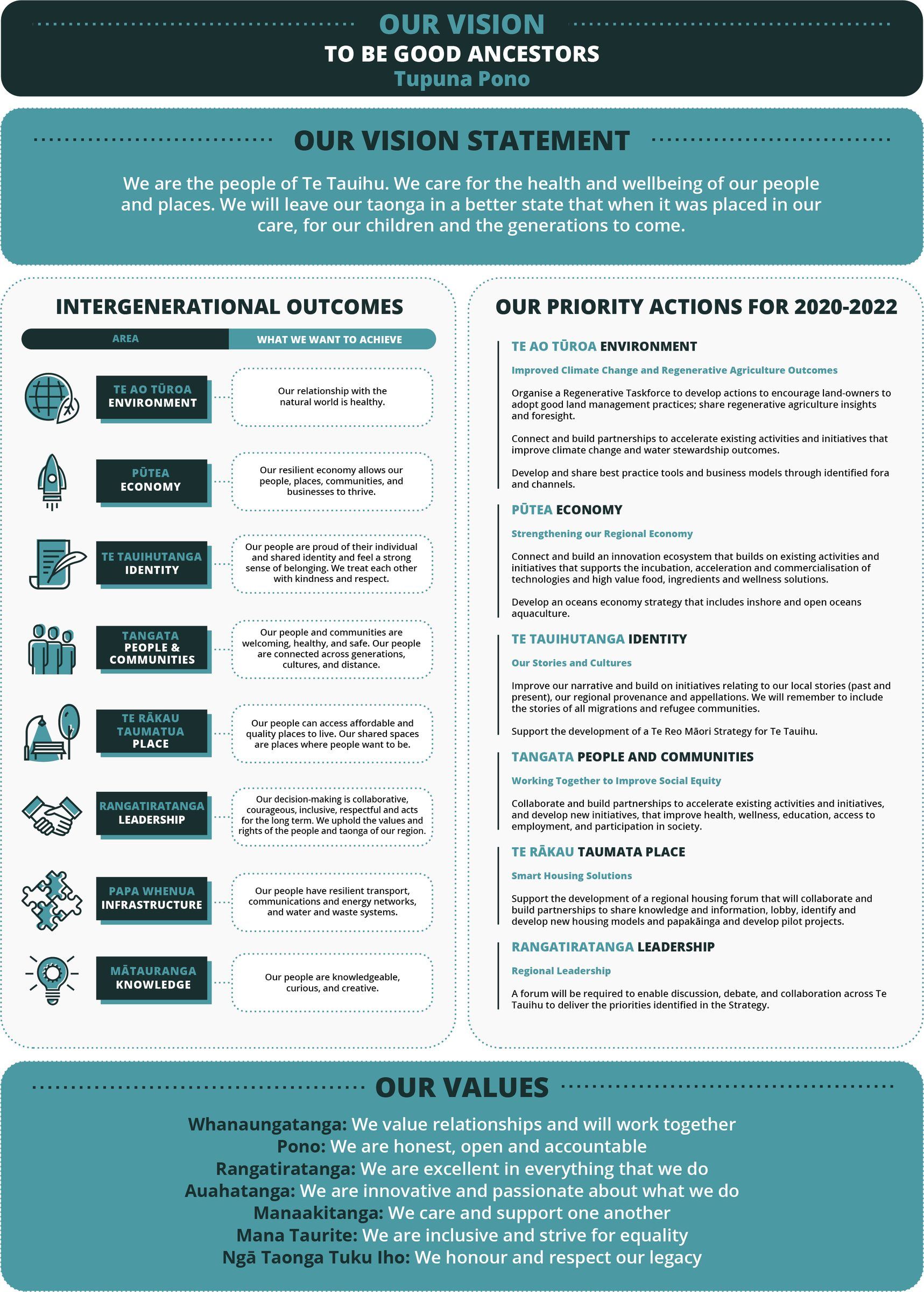
We also led strategy design and development, bringing the engagement and wider thinking into a framework that expressed the region’s aspirations and priorities.
Our involvement continued into implementation and rollout, supporting the work beyond publication and helping carry the strategy into use.

The outcome
The engagement brought more than 1,000 people into direct conversations about the region’s future, with a wider audience reached online.
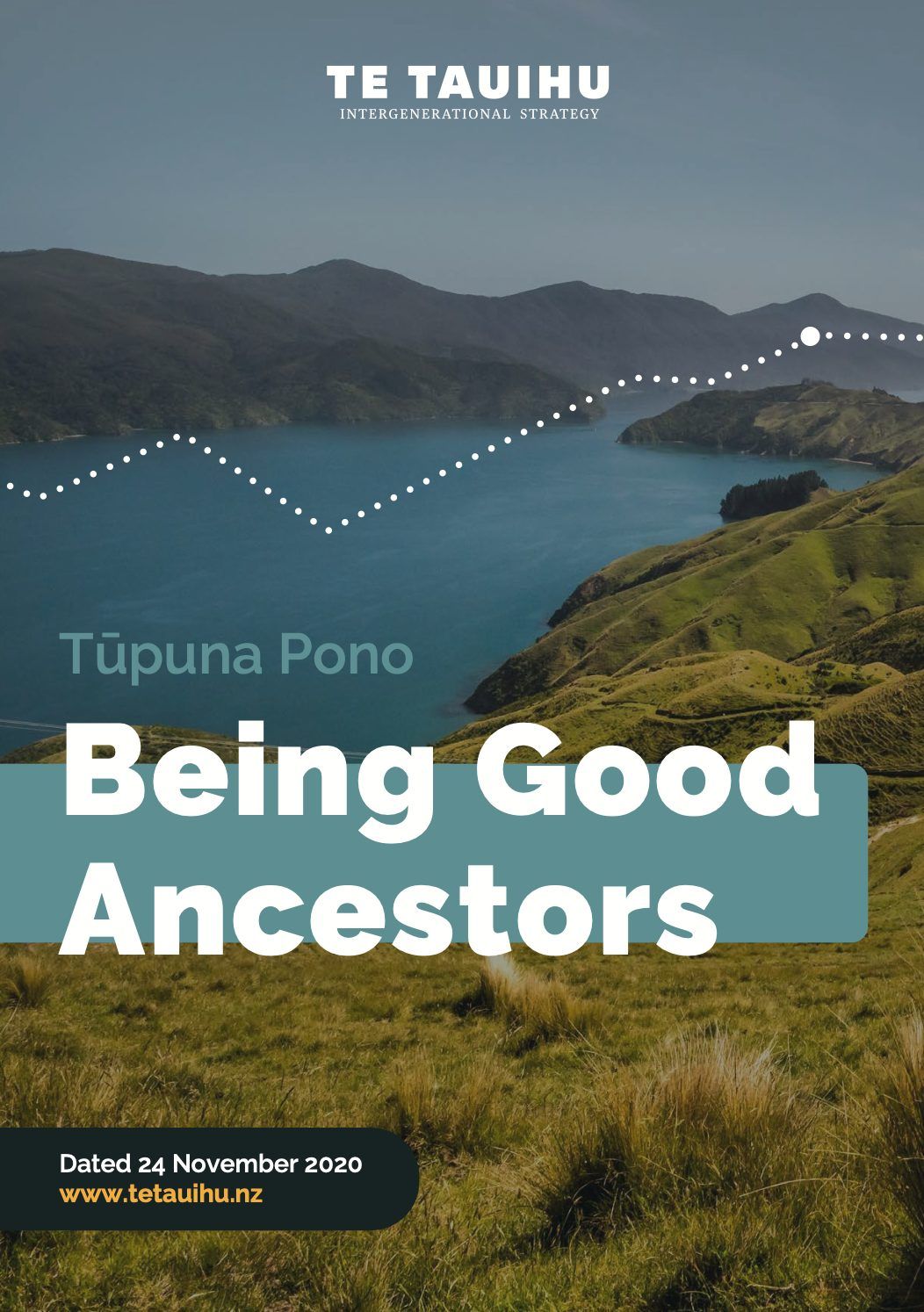
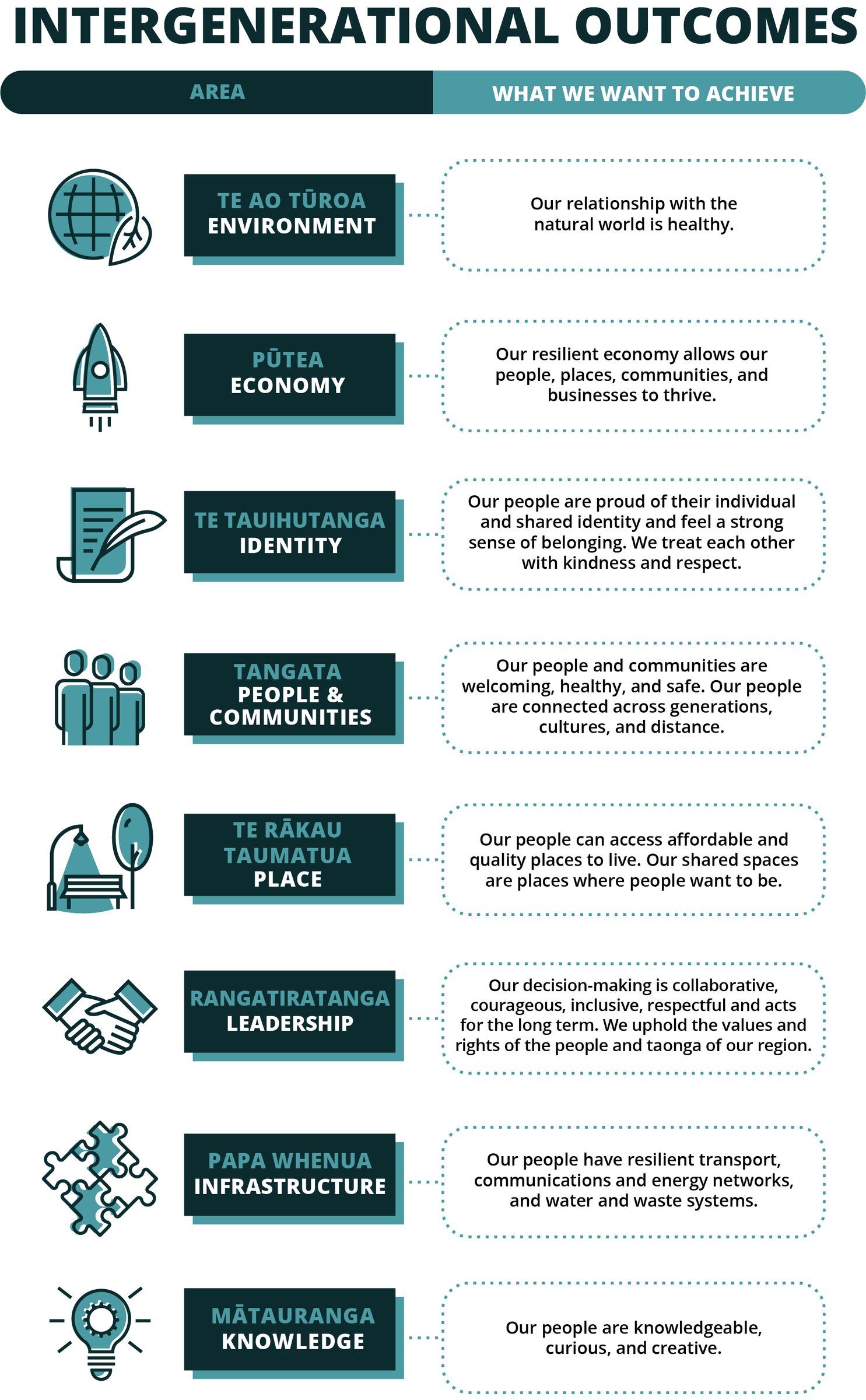
Published in 2020, the Te Tauihu Intergenerational Strategy established a shared wellbeing framework and actions for the region. It provided organisations, iwi and communities with a reference point for considering how their plans and decisions could contribute to longer-term outcomes.
The work connected broad public participation with a strategy designed to guide decisions across organisational and geographic boundaries.